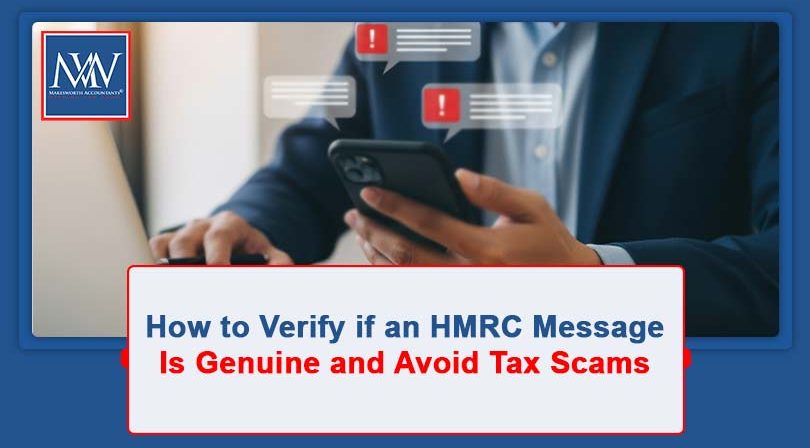
How to Verify if an HMRC Message Is Genuine and Avoid Tax Scams
Introduction
Receiving a phone call, email, text message, or letter claiming to be from HMRC can be concerning—especially if it mentions unpaid tax, a refund, or urgent action. Unfortunately, scammers are becoming increasingly sophisticated, often copying official HMRC branding to make fraudulent communications appear legitimate.
The good news is that there are several ways to verify whether a message is genuinely from HMRC before taking any action. Understanding the warning signs can help protect your personal information and finances.
In this guide, we explain how HMRC normally communicates, how to identify potential scams, and what to do if you receive suspicious contact.
How Does HMRC Contact Taxpayers?
HMRC communicates with taxpayers through several channels, including:
- Phone calls
- Emails
- Letters
- Text messages
- QR codes on official correspondence
While these communication methods are legitimate, criminals also use them to impersonate HMRC. Always verify any unexpected contact before responding.
Recognising Genuine HMRC Phone Calls
Telephone scams remain one of the most common forms of tax fraud.
Fraudsters often claim you are due a tax refund or owe an urgent payment and then ask for your bank details or personal information.
A genuine HMRC call will never:
- Ask for your bank account details over the phone.
- Inform you unexpectedly that you’re receiving a tax rebate.
- Demand immediate payment using gift cards or cryptocurrency.
- Threaten arrest if you don’t pay immediately.
HMRC regularly publishes information about genuine outbound phone calls on GOV.UK. If you’re unsure about a call, hang up and verify it through the official HMRC website before responding.
A missed call or voicemail from 0300 200 3884 may be a genuine HMRC contact.
How to Check if an HMRC Email Is Real
Email phishing scams are becoming increasingly convincing.
Before clicking anything, remember these simple rules:
- Don’t click links in unexpected emails.
- Avoid downloading attachments from unknown senders.
- Never enter personal or banking information after following an email link.
HMRC maintains an updated list of genuine email campaigns so taxpayers can verify whether an email is authentic.
If in doubt, visit the GOV.UK website directly rather than using links contained within the email.
Checking Whether an HMRC Letter Is Genuine
Not every letter claiming to be from HMRC is legitimate.
If you receive unexpected correspondence:
- Check whether the letter matches examples published by HMRC.
- Review the reference number.
- Compare the content with current HMRC guidance.
Common genuine letters include payment reminders and Simple Assessment notices.
If you’re uncertain, contact HMRC directly using official contact details found on GOV.UK.
Can HMRC Send Text Messages?
Yes, HMRC does occasionally send text messages.
These are commonly used to:
- Confirm a recent helpline conversation.
- Update you on a Self Assessment tax refund.
- Provide limited service notifications.
However, HMRC will never request:
- Passwords
- Bank details
- Personal financial information via text
Some genuine HMRC texts display verified branding and sender information.
If a message offers a tax refund in exchange for personal information, treat it as suspicious.
Are HMRC QR Codes Safe?
Some official HMRC letters now include QR codes that link directly to GOV.UK guidance or additional support.
Only scan QR codes if you’re confident the letter itself is genuine.
HMRC also publishes details of letters that legitimately contain QR codes.
Why HMRC May Contact You More Than Once
Sometimes HMRC uses multiple communication methods regarding the same issue.
For example, you might receive:
- A letter followed by a phone call
- An email after previous correspondence
- A text message confirming recent contact
This doesn’t automatically indicate fraud, but you should still verify the communication using HMRC’s official guidance.
How to Report HMRC Scams
If you receive a suspicious message claiming to be from HMRC, don’t ignore it.
You can report:
- Phishing emails
- Scam text messages
- Fake social media accounts
- Fraudulent phone calls
Reporting scams helps HMRC investigate fraud and protects other taxpayers from becoming victims.
Tips to Stay Safe from HMRC Fraud
Protect yourself by following these simple precautions:
- Never share banking or personal information without verifying the sender.
- Avoid clicking links in unexpected emails or text messages.
- Visit GOV.UK directly instead of using embedded links.
- Verify phone calls before discussing your tax affairs.
- Stay informed about current HMRC scams and genuine communications.
Being cautious for a few minutes can prevent significant financial loss and identity theft.
Final Thoughts
HMRC continues to modernise how it communicates with taxpayers, but scammers are adapting just as quickly. Whether you receive a phone call, email, letter, text message, or QR code, always take a moment to verify that the communication is genuine before responding.
If you’re ever uncertain, contact HMRC through its official channels or speak to your accountant for guidance. A little caution today can help you avoid costly fraud tomorrow.
For more information, Book a Free Consultation
Need Accountancy Support?
For information on bespoke training, or if you have any other questions for Makesworth Accountant, please fill in your details below
Accountancy Support
Proud to be featured in






 150
150