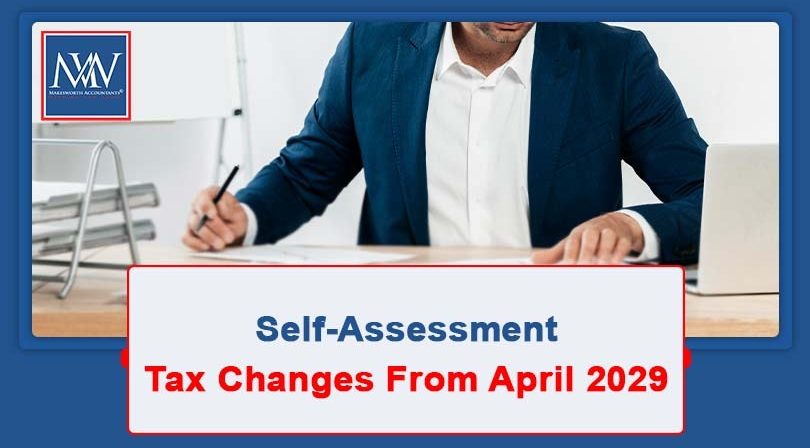
Self-Assessment Tax Changes From April 2029
What could change?
Making Tax Digital (MTD) is already changing how many taxpayers keep records and report their income to HMRC.
Now, another possible change could affect when Self-Assessment tax is paid.
The government is considering proposals that could require some taxpayers to pay their tax liabilities more regularly during the year, rather than waiting until the usual Self-Assessment payment dates.
The proposed changes could start from April 2029, although the final rules have not yet been confirmed.
MTD does not mean quarterly tax payments
The introduction of MTD has led some taxpayers to ask whether quarterly reporting will eventually mean quarterly tax payments.
HMRC has previously made it clear that MTD quarterly updates are about reporting income and expenses more regularly. They are not, by themselves, a requirement to make a tax payment every quarter.
However, the government’s 2025 Budget included an announcement about making Self-Assessment payments more timely.
It said that, from April 2029, taxpayers with PAYE income who also have Self-Assessment liabilities could be required to pay more of their tax during the year through PAYE.
This is separate from the MTD quarterly reporting requirements.
What is the government proposing?
The government published a consultation called Timely Payments in Income Tax Self Assessment on 23 June. The consultation closed on 4 August.
The main idea is to bring tax payments closer to the time income is earned.
HMRC believes this could help reduce late payments and the amount of tax debt that builds up.
According to the consultation document, around one in five Self-Assessment tax bills are paid late.
For taxpayers, however, paying tax earlier could have an important effect on cash flow and budgeting.
How could the new system work?
Under the proposal, employees who also have self-employed income could have some of their expected Self-Assessment tax collected through their PAYE salary.
The payments could be spread throughout the year instead of being paid mainly through the existing Self-Assessment payment dates.
Initially, the calculation could be based on the taxpayer’s most recently filed tax return.
If their income changes, they may be able to provide an updated forecast so that future payments can be adjusted.
The final details have not yet been decided.
What about seasonal income?
Not everyone earns the same amount every month.
For example, a self-employed person might earn most of their income during a particular season and have much lower income during the rest of the year.
A system based on previous income could therefore result in tax being collected before the related income is received.
The consultation considers allowing taxpayers to update their income forecasts so that payments can better reflect their current circumstances.
This could be particularly important for people with seasonal, irregular or changing income.
What happens in the first year?
The transition to the new system could also create a cash-flow challenge.
If the changes begin in April 2029, some taxpayers could have to deal with their 2028/29 balancing payment while also making payments towards their expected 2029/30 tax liability.
The government is considering different ways of managing this transition.
One option being considered is allowing the previous year’s liability to be spread over a longer period.
What if PAYE income is not enough?
Some taxpayers may not have enough PAYE income for the proposed tax deductions.
For these taxpayers, the consultation considers alternative payment arrangements.
These could include:
- 12 monthly payments, or
- Four quarterly payments in April, July, October and January.
The payments could initially be based on the previous year’s tax liability, with a final adjustment made once the Self-Assessment return is submitted.
Will everyone have to pay tax quarterly?
No—not based on these proposals alone.
This is an important distinction.
MTD quarterly updates are intended to provide HMRC with more regular information about a taxpayer’s income and expenses.
The separate timely payments proposal is about how often Self-Assessment tax is actually paid.
So, while both changes are part of HMRC’s wider move towards more timely tax reporting and payments, they are not the same thing.
What should taxpayers do now?
The proposals are still subject to the consultation process and any future government decisions or legislation.
There is therefore no need to change your current tax payment arrangements based on these proposals alone.
However, if you are self-employed and also receive PAYE income, it is worth keeping an eye on future announcements.
It may also be a good time to review your cash flow and understand how much tax you could potentially need to pay during the year.
Keeping accurate records and reviewing your tax position regularly can make it easier to manage any future changes.
For more information, Book a Free Consultation
Need Accountancy Support?
For information on bespoke training, or if you have any other questions for Makesworth Accountant, please fill in your details below
Accountancy Support
Proud to be featured in







 150
150